Spa and beauty uniforms: turn your space into a clear design brief
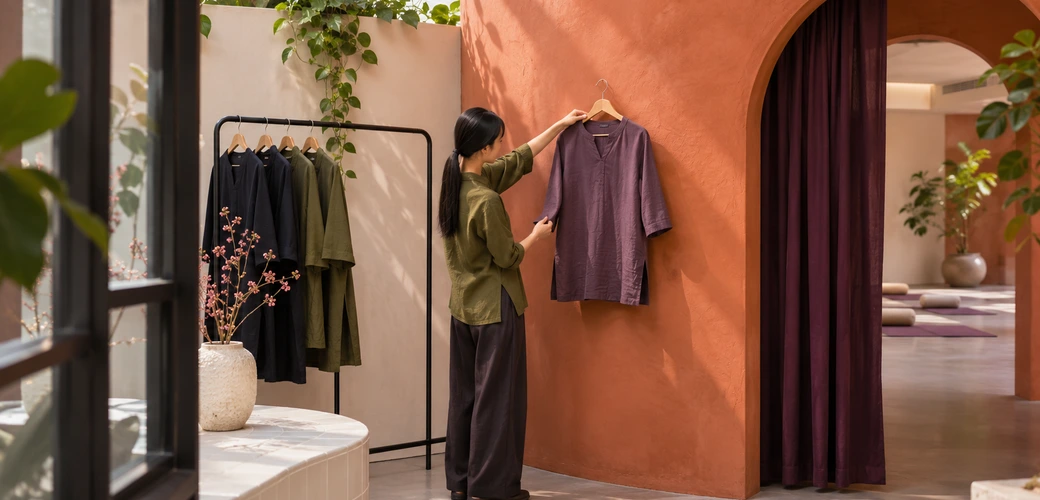
Spa uniforms work best when your team can explain how the clothing relates to your studio. Start with the colours, surfaces and lighting already present. Describe the impression you want the wardrobe to create, then check a complete sample in the space before approving its appearance. Keep practical requirements in a separate record.
- Explain the relationship between the clothing and the space.
- Review the complete sample in the actual lighting.
- Keep appearance and performance questions separate.
If you want to develop a coordinated wardrobe, describe your studio and team with the visual choices already made for the premises. The aim is a brief that a designer and the people wearing the clothing can understand. A collection of attractive photographs is not enough if nobody can explain what each one contributes.
Which parts of the space should guide spa uniforms?
Look at the studio as a visitor would see it. Notice the wall colour behind reception, the tone of the floor and the materials beside a member of staff. Describe which elements feel central to the identity and which are simply part of the building. A uniform does not need to repeat every colour in the room. It needs an understandable relationship with its surroundings.
Use concrete descriptions. Instead of asking for a calm appearance, say whether you mean an uninterrupted outline, a muted colour relationship or fewer visible details. Instead of asking for a more expressive wardrobe, identify where the expression should appear. This might be a contrast between clothing and wall colour or a recognisable line repeated across different pieces. These are design choices, not claims about what a fabric can do.
What should remain consistent across the wardrobe?
Choose the visual relationship before deciding that everyone must wear an identical outfit. A shared colour direction, a related neckline or a fastening detail can connect different garments. Record the reason for each element you want to keep. That makes it easier to judge a later alternative without starting the discussion again from personal preference.
Imagine a studio with a clay-coloured entrance and pale treatment rooms. The brief might ask for clothing that remains distinct against both backgrounds while keeping a consistent outline. This is an illustration of a decision, not a client example or a proposed PAMUUC collection. The final choice still needs to be seen on the people and in the spaces concerned.
How should you review the complete sample?
Look at a complete outfit from the places where clients actually see the team. Include the reception background and the room lighting used during the day. Record whether the colour relationship and silhouette match the brief. A photograph taken under different light can help a conversation, but it cannot settle how the clothing appears in your premises.
Keep the visual review separate from other questions. If a wearer reports a difficulty with movement, record the activity and the garment area rather than describing the sample as unsuitable in general. The fabric sample comparison guide explains how to keep observations and unresolved questions together. A favourable appearance does not establish comfort, cleaning performance, durability or a protective property.
What belongs in the approval record?
Keep the agreed garment reference beside a short explanation of the chosen appearance. Note the colour relationship, the outline and the visible detail that should remain consistent. Attach the questions that still need an answer and name the person responsible for each decision. The uniform project planning guide provides the wider context for that brief.
The facts below are our standard framework; we confirm them for your project once we have reviewed your brief. A clear visual brief keeps everyone discussing the same choice.
Project facts as of 13 November 2026
- Minimum order
- 10 pieces per garment type
- Full project
- 12 weeks from first call to delivery
- Sampling
- 3 weeks
Related reading
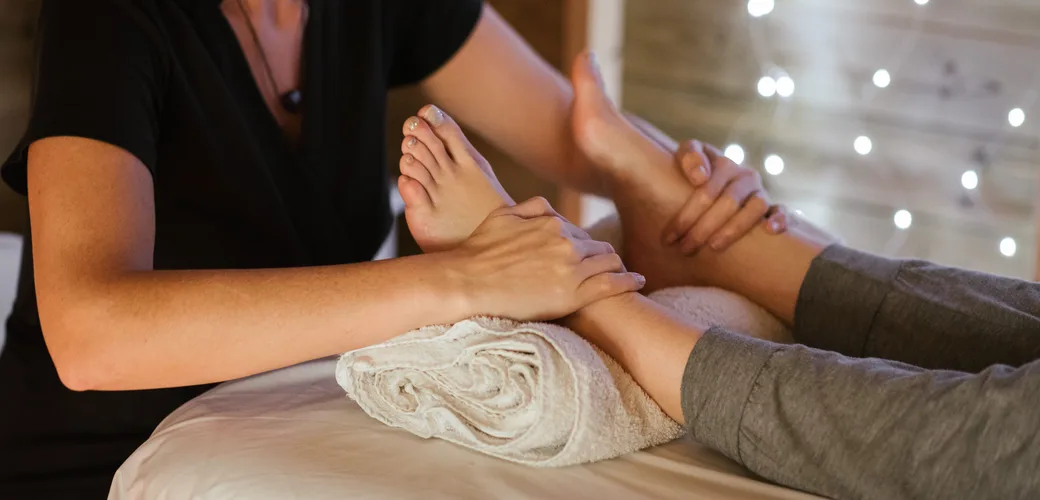
Spa therapist tunics: a fitting guide
Use a towel, an empty treatment bed and the usual stool to compare tunic samples and give your supplier a precise account of what needs to change.
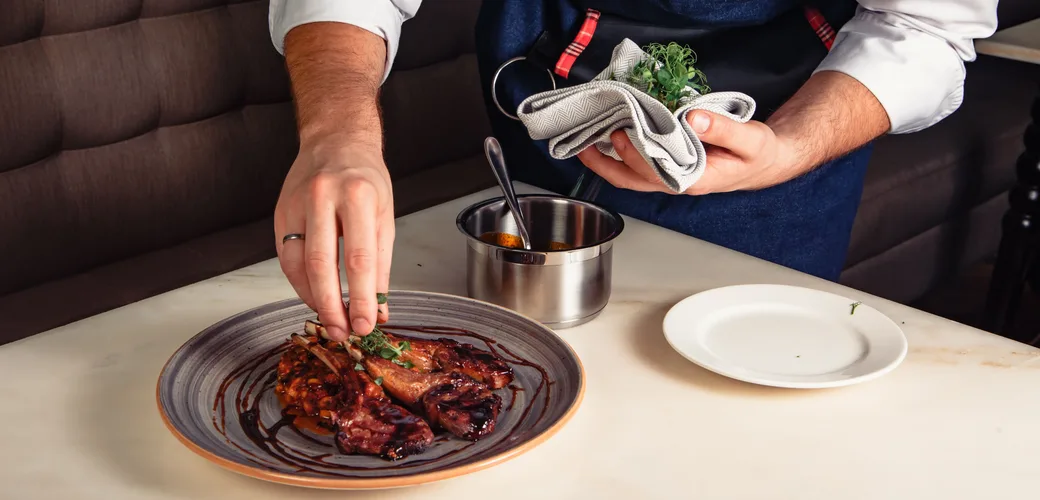
Chef jacket or shirt for an open kitchen?
Compare two garments at the restaurant pass with the same apron and an empty plate to see which details matter to the cook and which the guest can see.
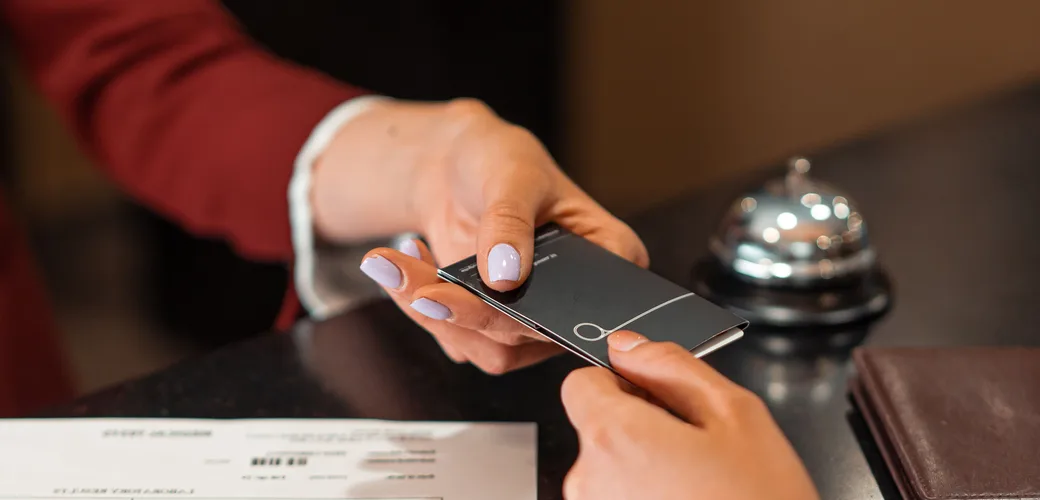
Hotel reception uniforms for seated work
Check the jacket, waistband and name badge at the reception desk while a colleague sits, turns to the printer and hands a guest their room key.
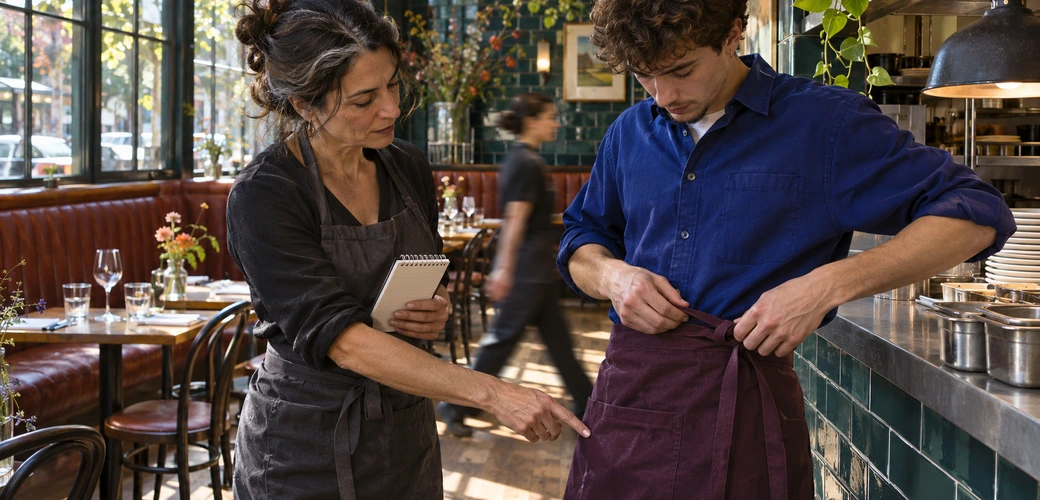
Restaurant uniforms for new starters
Bring a new starter into an existing restaurant wardrobe. Check the garment reference, available pieces and the difference between a repeat order and a change.
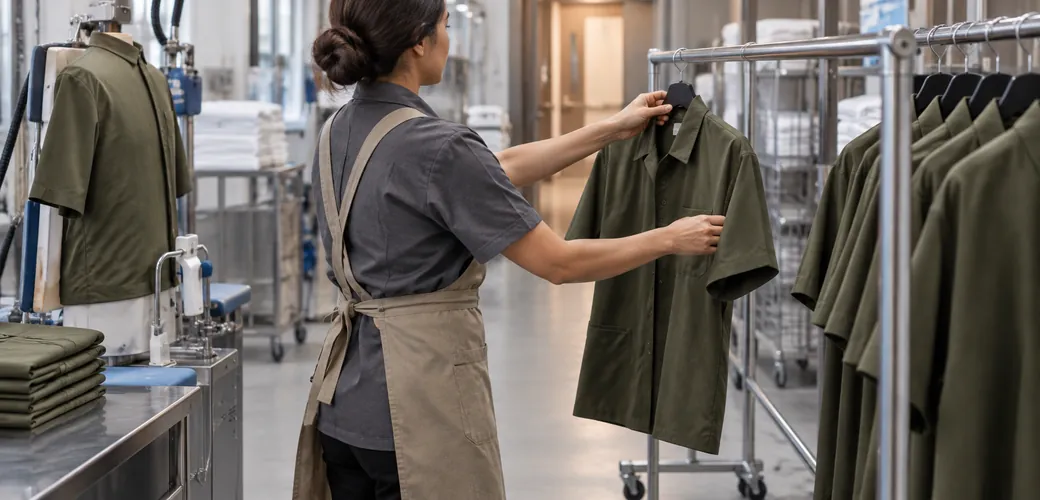
Hotel uniform laundry requirements
Map collection, sorting, washing, drying, finishing and return so hotel, laundry and supplier can approve one compatible uniform process.
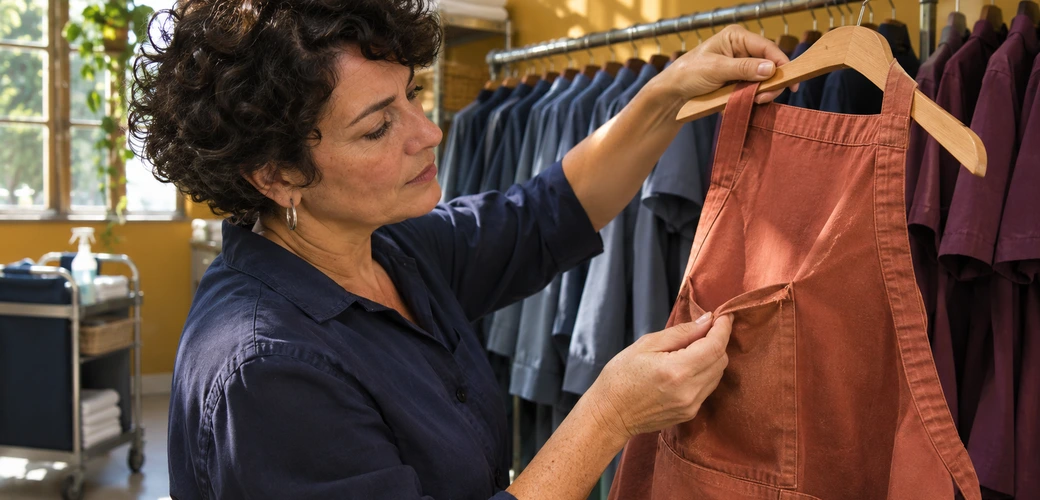
Hotel uniform durability diagnosis
Record where hotel uniforms wear out and decide whether to repair, reorder or review the design. Includes a practical decision example.