Custom hospitality uniforms: a Barcelona hotel case study
A Barcelona hotel uniform project connecting interior design with reception, restaurant, spa and management clothing. See the design and development approach.
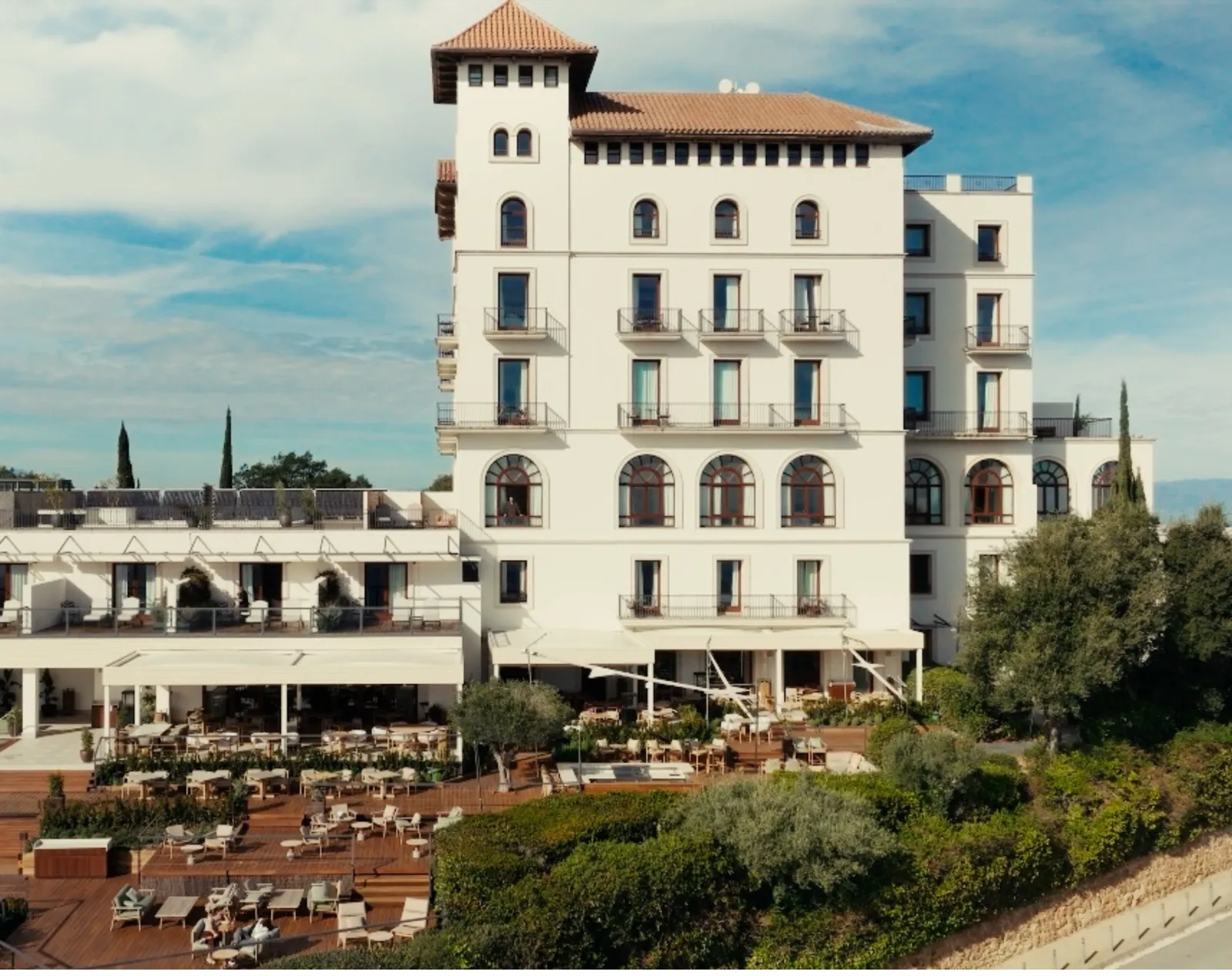
- Custom hotel uniforms support the concept when colours, fabrics and details come from the interiors and each role gets garments built for its work.
- In this five-star Barcelona project, the spa, bar and restaurant took their colours from the interiors, and copper in the bar became jacket details.
- Front-of-house roles got more refined garments, back-of-house roles more robust ones, and management custom sets in linen or cotton.
- Choose fabrics for the real care route and keep the approved specifications, so the next order follows the same system.
In a project carried out for a new five-star hotel in Barcelona, our studio created a complete uniform system for the entire team. We began with the architectural renders and the interior design concept for the bar, restaurant and spa spaces. The uniforms were developed to sit in harmony with the hotel’s colour palettes and materials.
The Food & Beverage brief covered more than 20 team members and management, with different outfits for different roles. We developed garments for guest-facing teams, operational teams and management. Organic cotton blends with technical fibres were selected around the project’s comfort, care and wear requirements.
All garments were designed, prototyped and produced in Barcelona, 315 items in total, with a local supply chain and local manufacturing. After one year of daily use, the uniforms remain in excellent condition and staff have reported no fit or comfort issues.
Uniforms aligned with the hotel concept
We treated each garment as an extension of the hotel’s brand and architecture. In hospitality, the uniform is one of the first signals perceived by the guest and immediately communicates tone, quality and service positioning.
The design choices grew out of the hotel interiors. The spa team wears soft green tones derived from the decoration, while the bar and restaurant use warm neutrals and deep blues that match the interior finishes.
Interior details informed selected garment finishes. Copper elements in the bar, for example, became details on certain jackets. Fabric, colour and finish choices were considered together with the intended use and care of the garments.
Choosing durable and comfortable fabrics
Hotel uniforms need to withstand heavy wear and frequent industrial laundry cycles. In real operations, garments are exposed to demanding washing conditions. For that reason, we specified materials suited to professional processes.
We used blends of organic cotton with polyester or elastane. Cotton provides breathability and softness, while synthetic fibres add strength, elasticity and improved dimensional stability. All fabrics were mechanically pre-shrunk and dyed with high-quality pigments.
We also applied functional finishes: water-repellent and stain-resistant treatments on selected garments, and double stitching at high-stress points such as elbows and knees. In repeated cycle testing, both colour and structure remained stable.
Uniforms differentiated by role
A central decision was to build a dedicated wardrobe for each role category. Front-of-house roles (reception, floor staff and concierge) received more refined garments designed to express professionalism without restricting movement during long shifts.
Waiters and bartenders wore shirts, waistcoats and jackets in soft stretch fabrics. Back-of-house roles (chefs, kitchen support and housekeeping) received more robust and functional garments, with patterns suited to intense operational activity.
For management, we developed custom sets in linen or cotton in neutral tones, consistent with the hotel’s premium positioning. This visual differentiation through colour, fabric and cut helps make roles legible both internally and from the guest’s perspective.
Local production and sustainability
Every stage of the project took place in Barcelona, including fabric selection. Keeping design and production local improved communication, quality control and delivery timing.
The local supply chain kept development and manufacturing geographically close. Where possible, the project prioritised linen and organic cotton, with material choices recorded alongside the garment specifications.
Using materials designed to withstand frequent washing also reduces waste because it extends the useful life of the garments. The project therefore brings together local manufacturing and sustainability applied to concrete operational needs.
Maintenance, performance and staff feedback
After one year of daily use, we evaluated the uniforms thoroughly. Most garments remained in excellent condition, with good retention of colour and shape.
High-wear areas such as collars, cuffs and pockets showed limited deterioration despite repeated industrial washing. Staff confirmed ongoing comfort and ease of use.
Combine staff feedback with garment inspections and care records. Together, they help identify which fits, details or materials should be retained or reviewed before the next order.
Conclusion
The programme shows that hotel uniforms perform best when they are treated as an integrated system rather than isolated garments. By aligning design with the hotel’s identity, choosing fabrics suited to intensive use, differentiating solutions by role and simplifying maintenance, the uniform supports both operations and brand perception at the same time.
For another hotel project, begin with the roles, care routine and design brief rather than copying this wardrobe. Use samples and fittings to check the proposed garments, then keep the approved specifications for future orders. Our process and project examples explain the next steps.
Questions buyers ask
- How can custom uniforms support a hotel’s concept?
- Take the uniforms’ colours, fabrics and details from the interiors and the brand, as this Barcelona project did for the spa, bar and restaurant. Then give each role the garments its work needs, so the look holds through a full shift and after washing.
- Who can design and make custom uniforms for our hotel employees?
- PAMUUC Studio, in Barcelona, designs and produces custom uniforms for hotel reception, restaurant and bar, housekeeping, spa and management teams, from the design proposal to samples, fittings, production and reorders. Custom uniforms start from 10 pieces per garment type.
- Can the uniforms follow our interior design?
- Yes. Your interiors and brand can guide the colours, fabrics and details, as they did for this five-star hotel opening in Barcelona. We use available fabric colours or assess dedicated colours when material and quantity allow.
- How long does a custom hotel uniform project take?
- Allow around 12 weeks from the first call to delivery. After the brief, design and proposal take about 4 weeks, sampling about 3 weeks, production 3–4 weeks and delivery 3–5 days. Timing depends on each customer; PAMUUC Studio confirms your schedule once the brief has been reviewed.
Related reading
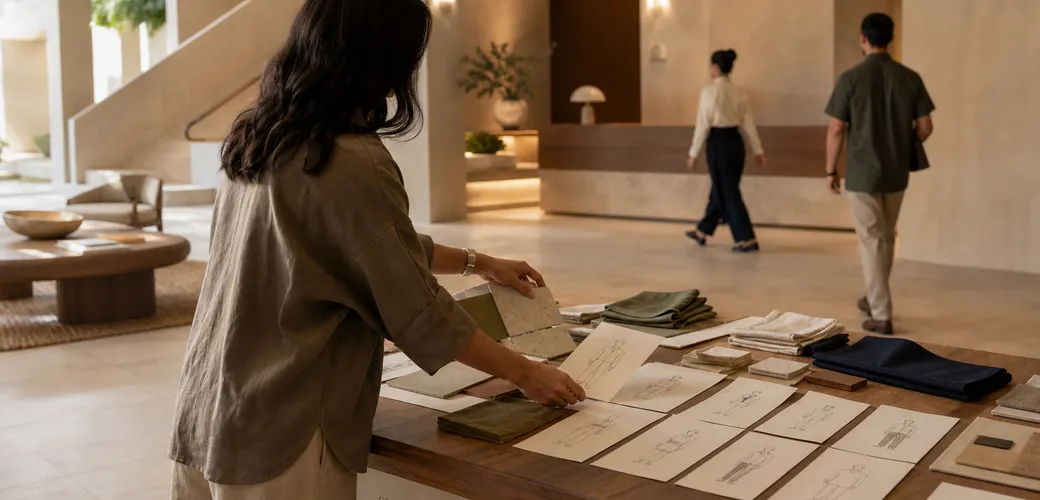
Custom hotel uniforms
PAMUUC Studio designs and makes custom hotel uniforms in Barcelona for new openings, hotel groups and renewals, from 10 pieces per garment type.
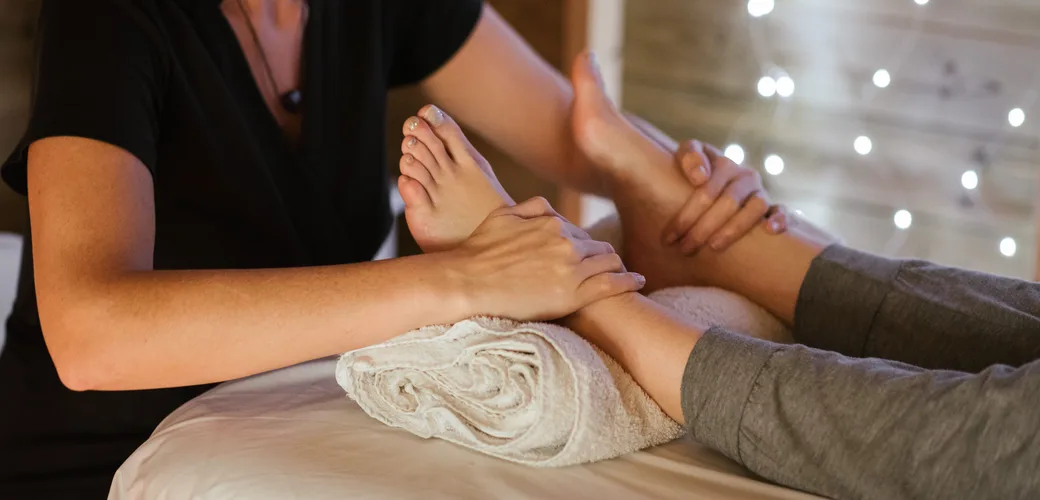
Spa therapist tunics: a fitting guide
Use a towel, an empty treatment bed and the usual stool to compare tunic samples and give your supplier a precise account of what needs to change.
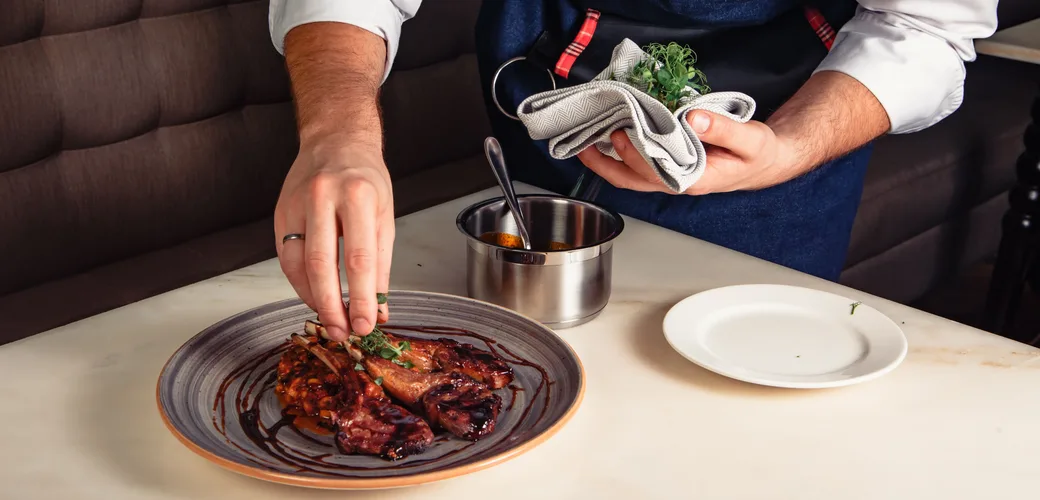
Chef jacket or shirt for an open kitchen?
Compare two garments at the restaurant pass with the same apron and an empty plate to see which details matter to the cook and which the guest can see.
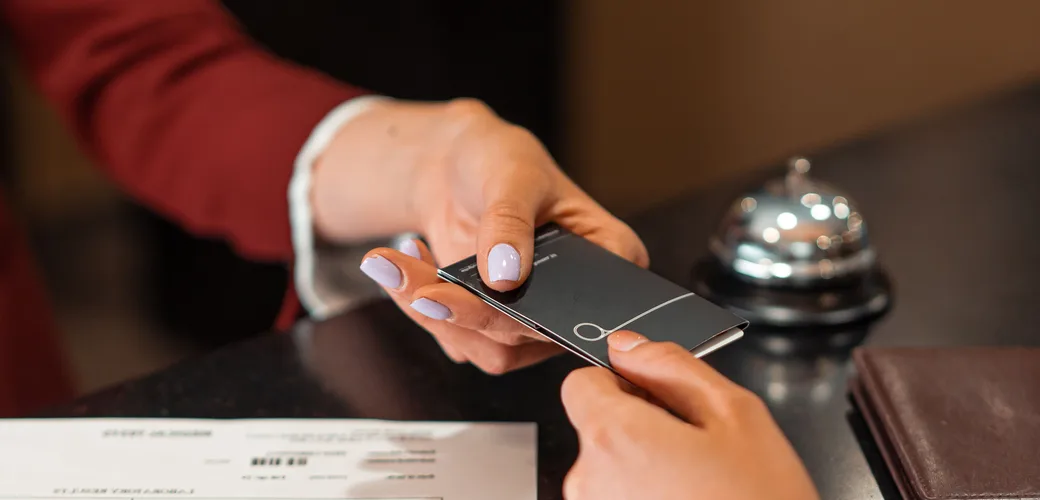
Hotel reception uniforms for seated work
Check the jacket, waistband and name badge at the reception desk while a colleague sits, turns to the printer and hands a guest their room key.
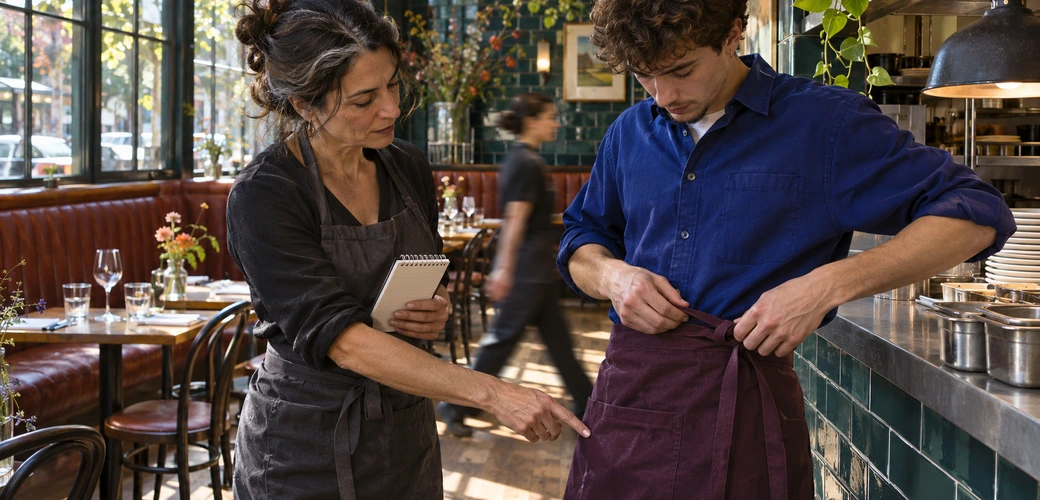
Restaurant uniforms for new starters
Bring a new starter into an existing restaurant wardrobe. Check the garment reference, available pieces and the difference between a repeat order and a change.
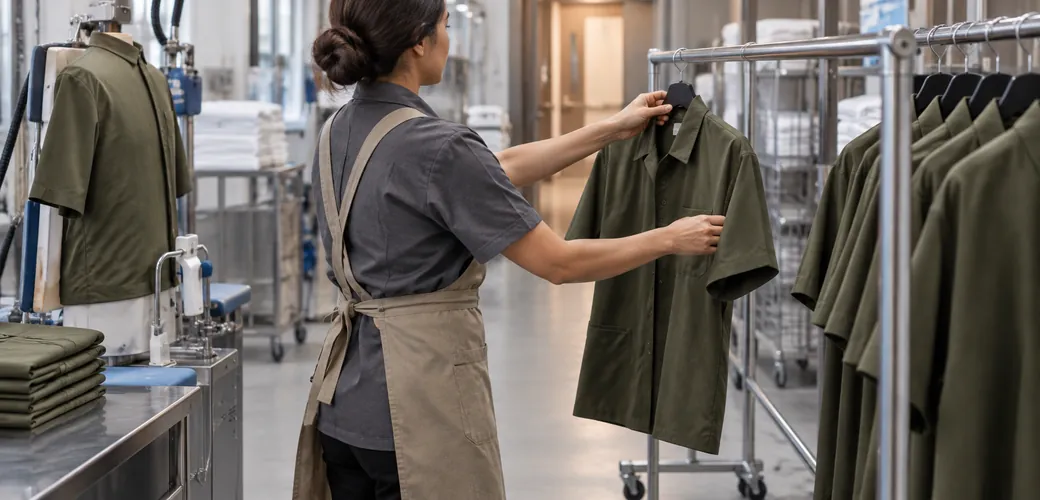
Hotel uniform laundry requirements
Map collection, sorting, washing, drying, finishing and return so hotel, laundry and supplier can approve one compatible uniform process.